

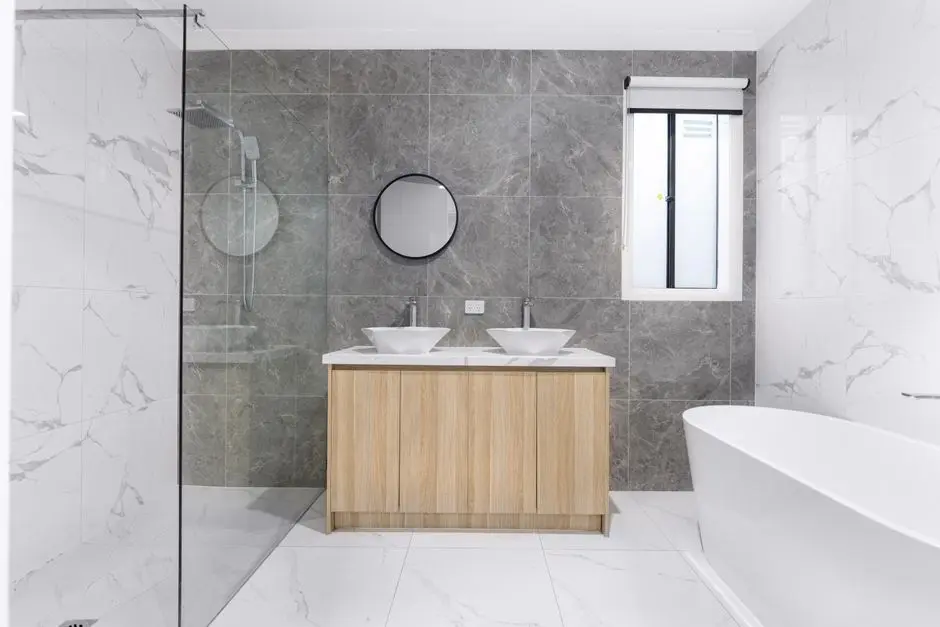
Renovating a bathroom is an exciting endeavor for any homeowner looking to create a fresh and updated space. However, many Mississauga residents find themselves overwhelmed by the multitude of choices and potential pitfalls. To help you navigate your renovation journey smoothly, here are some common mistakes you should steer clear of.
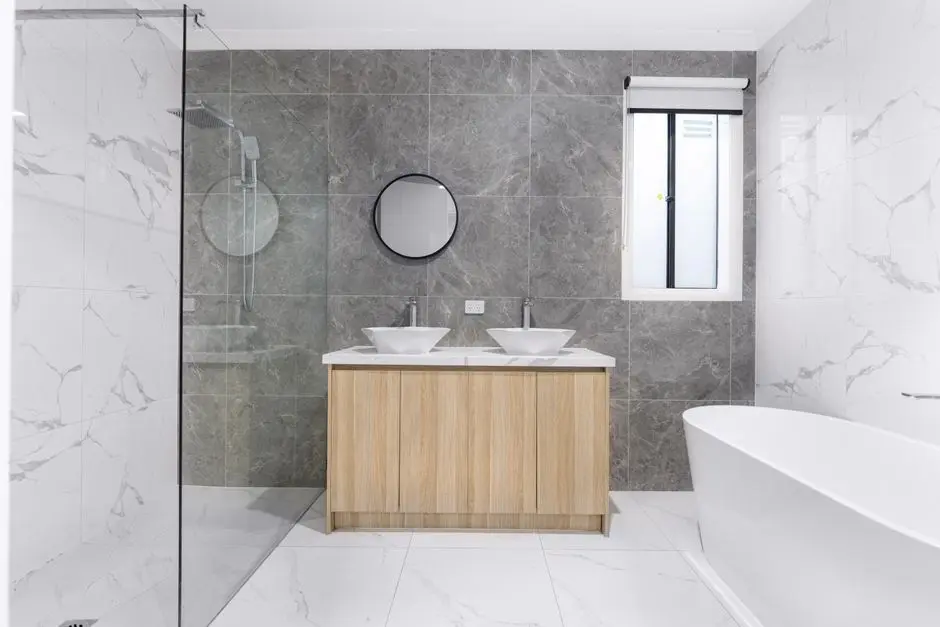
1. Overlooking Proper Ventilation
Proper ventilation is crucial in preventing moisture buildup that can lead to mold and mildew. A well-ventilated bathroom not only ensures a healthier environment but also extends the life of your fixtures and walls. Many homeowners underestimate the importance of installing a high-quality exhaust fan capable of handling the size of their bathroom. Consider factors such as fan noise levels and energy efficiency when making your choice.
In addition to mechanical ventilation, natural ventilation plays a vital role. If possible, incorporate windows that can be opened to allow a fresh breeze and natural drying. This is especially beneficial during warmer months when a fan alone might not suffice. Creating such an integrated system helps maintain air quality and reduces the risk of moisture-related issues over time.
2. Neglecting Water Efficiency
Water efficiency in a bathroom is more than just an eco-friendly choice; it’s a practical one. Using modern water-saving technologies can significantly reduce water usage without compromising performance. For instance, aerated faucet heads and dual-flush toilets provide effective water management. Not only do these choices reflect a commitment to sustainability, but they also offer tangible savings on monthly water bills.
Furthermore, when planning a renovation, it’s important to think about long-term water conservation strategies. Investing in a greywater system, which recycles water from baths and sinks for use in toilets or irrigation, can make your bathroom part of a larger sustainability effort within your home. These changes, although sometimes requiring higher initial investments, can often pay off both environmentally and financially in the long run.
3. Ignoring Storage Solutions
One common pitfall in bathroom renovations is a lack of foresight regarding storage needs. While a minimalistic approach can offer a clean aesthetic, insufficient storage can quickly turn the bathroom into a cluttered space. Consider incorporating innovative storage solutions like recessed shelves or pull-out drawers in vanities. These designs keep essentials organized and out of sight, maintaining a tidy appearance.
Additionally, maximize vertical space by installing over-the-toilet shelving units or tall cabinets. Such additions not only provide ample storage but also draw the eye upward, giving the illusion of increased space. In shared family bathrooms, consider individual cabinets or organized bins to avoid mix-ups and keep each member’s personal items neatly stored and easily accessible.
4. Choosing Trendy Over Timeless
The allure of current design trends can be tempting, but remember, trends fade quickly while your bathroom renovation will likely serve you for many years. Opting for timeless designs means your bathroom will retain its appeal across different style phases. Classic subway tiles, neutral palettes, and elegant fixtures are some of the options that provide elegance and longevity.
That said, incorporating small personal touches or current trends in accents or easily changeable elements like towels, rugs, or artwork allows you to refresh your bathroom with minimal expense and effort. This balanced approach helps retain the fresh, contemporary feel you might be aiming for while ensuring the core design of your bathroom remains timeless and broadly appealing.
5. Forgetting About Lighting
Lighting is one of the most underestimated aspects of bathroom design, yet it plays a crucial role in both functionality and atmosphere. Layered lighting, which includes ambient, task, and accent lighting, creates a versatile and well-lit space. Task lighting is essential around mirrors to provide adequate illumination for grooming activities, while ambient lighting fills the room with a soft, inviting glow. Smart lighting solutions can add efficiency and convenience to your lighting setup.
Consider the color temperature of the bulbs you choose, as this can influence the mood of the room significantly. Cooler tones may lend a modern clinical aesthetic, while warmer tones provide a softer, more inviting feel. Dimmer switches are another valuable addition, allowing flexibility in adjusting the lighting to suit different times of day or purposes, from bright morning routines to relaxing evening baths.
6. Neglecting the Importance of Layout
The layout of your bathroom is the backbone of functionality. A poorly planned layout can limit space and hinder movement. Ideally, the layout should facilitate the logical placement of fixtures to promote ease of use. Consider space-saving techniques like corner sinks or compact bathtubs, especially in smaller bathrooms. These elements can open up floor space, making the room feel larger and more accessible.
Accessibility is another crucial aspect. Pay attention to the door swings and pathway widths to accommodate different mobility levels. Leave enough space between various aspects such as the toilet, sink, and shower to ensure comfort. If you’re able to, consult a professional to create a layout plan that considers both current and future use, particularly if long-term living or resale value is a factor.
7. Underestimating the Budget
Budgeting is possibly the most critical part of any renovation, and misjudging costs can lead to major headaches down the road. Begin with a detailed list of expected expenses and research average costs for materials and labor in your area. Remember to include a contingency fund—typically about 10% to 15% of the total budget—for unexpected expenses or upgrades. It’s always better to overestimate financial needs rather than face a shortfall midway through the project.
Moreover, consider how your budget aligns with the long-term value of the renovation. Investing in durable, high-quality materials might increase the initial cost but can save money on repairs or replacements in the future. Planning financially within the context of your larger home renovation goals allows for a cohesive approach that can prevent overspending on single projects while ensuring all areas receive appropriate attention.
8. Skipping Professional Help
The DIY spirit has its admirable traits, but when it comes to bathroom renovations, knowing when to call in the professionals can save both time and money. Plumbing and electrical work often require specialized skill to comply with local building codes and safety standards. Hiring certified professionals ensures the integrity of these intricate systems, protecting your home and health.
Additionally, for structural alterations or major redesigns, engaging a professional designer or contractor can bring valuable expertise and ideas you might not have considered. Not only do they hold the experience to execute complex jobs effectively, but they also have access to resources and networks that can streamline the renovation process. Sometimes, an expert is exactly what’s needed to turn a renovation dream into reality efficiently and effectively.
9. Not Accounting for Future Needs
Planning with the future in mind is an essential aspect of any renovation, particularly in a bathroom. It’s wise to consider how your needs might change with time—whether due to aging, family growth, or changing preferences. Features such as wider doorframes, walk-in or roll-in showers, and universal design elements can add convenience and accessibility, making your bathroom more adaptable to changes over your lifetime.
Think of how small adjustments can lead to greater comfort in the long run. For instance, installing grab bars now can be a simple step to prepare for mobility changes in the future. Many of these features can be integrated seamlessly, offering both form and functionality without compromising the aesthetic of your newly renovated bathroom. Planning now can make your space both stylish and user-friendly in the future.
10. Rushing the Process
One of the most common mistakes is rushing through the renovation process. Enthusiasm to see results can sometimes lead homeowners to skip crucial planning stages. However, careful consideration and thorough research at each stage—from initial design to final touches—ensures a smooth, cost-effective renovation journey. Rushed decisions often lead to bigger problems later, ranging from aesthetic regrets to functional mishaps.
Take the time needed for each step. From carefully selecting the right kind of tiles to deciding on fixtures, each choice shapes the final outcome. By not rushing, you allow yourself the opportunity to explore different design options, compare prices, and possibly stumble upon unique inspirations that could elevate your bathroom from ordinary to extraordinary. Remember, good things take time, and a bathroom designed with patience is often the most rewarding.
