

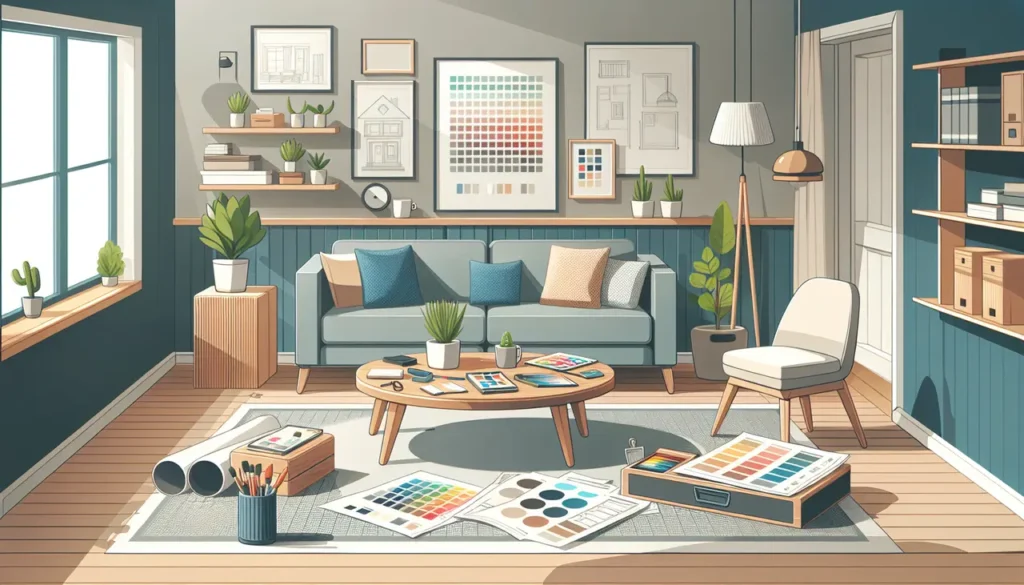
Embarking on a home renovation can feel like navigating a maze. With so many decisions to make and details to consider, it’s easy to feel overwhelmed. But fear not! We’ve gathered insights from seasoned remodeling experts to guide you through the process. These tips will help you avoid common pitfalls and ensure your renovation is a success.
1. Start with a Vision
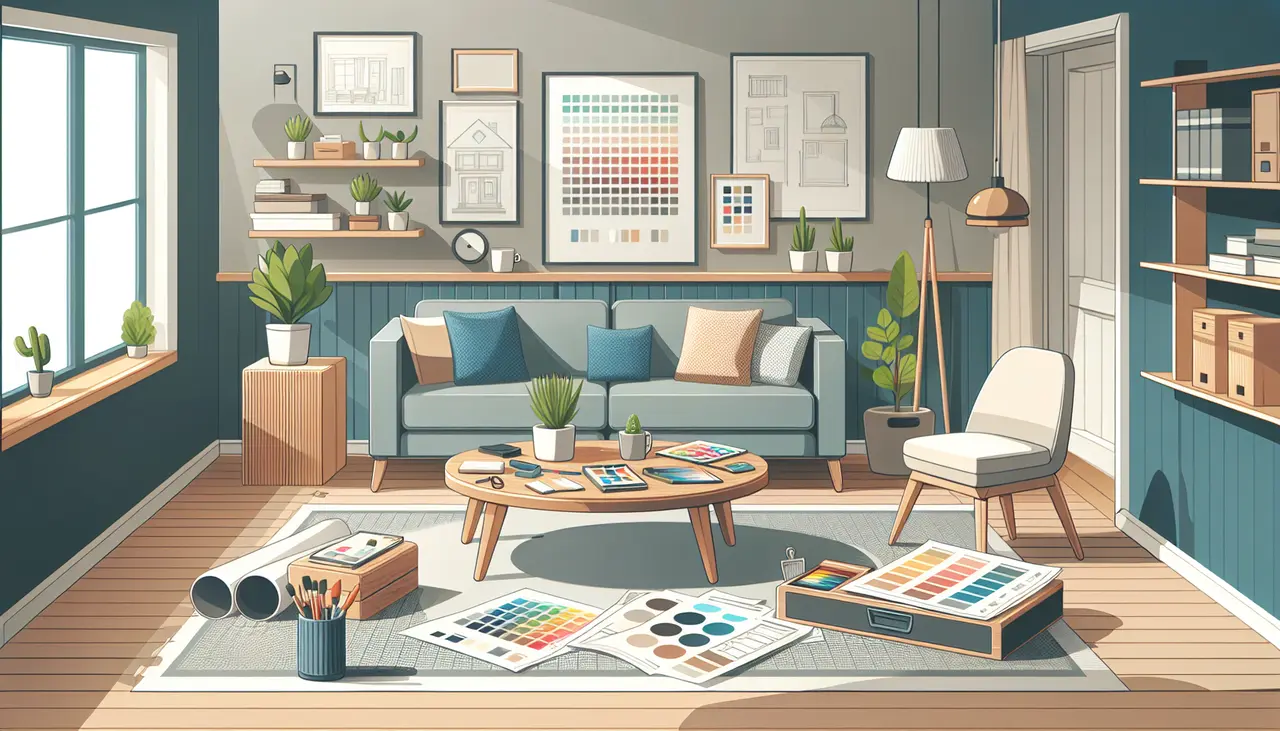
Before the hammer hits the nail, take time to envision the final result. Think about the aesthetic and functional changes you want to achieve. Create a mood board or gather inspiration from design magazines and online platforms. This initial step is crucial as it serves as the roadmap for your entire project, keeping you focused on your goals. Consider consulting with design experts to refine your vision, ensuring it aligns with your lifestyle and preferences.
Having a solid vision not only keeps you focused but also helps in communicating your ideas effectively with contractors and designers. This step also involves recognizing current trends and deciding which ones fit your taste and the home’s existing architecture. Additionally, when you’re clear on the changes you want, decisions about color palettes, textures, and patterns become straightforward and collaborative.
2. Set a Realistic Budget
One of the most critical aspects of a renovation is budgeting. Determine how much you’re willing to invest and include a buffer for unexpected expenses. Consulting with experts can help you align your budget with your vision. Start by listing all desired changes, then prioritize them based on necessity and aesthetic value. Remember, a detailed budget will prevent overspending and keep you stress-free as unexpected costs can and do arise.
A well-planned budget considers all aspects of the renovation, including design costs, materials, labor, and permits. Many remodeling experts emphasize the importance of researching costs thoroughly to avoid underestimating expenses. Consider looking at market trends for home improvement costs to get a general idea of what your project might entail financially. It may also help to talk to others who have recently completed renovations to get real-world insights.
3. Select the Right Contractor
Hiring a reputable contractor can make or break your renovation project. Seek recommendations, read reviews, and conduct interviews to ensure you find someone who understands your goals and communicates effectively. Your contractor should be a partner in your project, providing insight and suggestions while respecting your overall vision. It’s essential to check their previous work and ensure they’re licensed and insured to avoid future liabilities.
Devote time to creating a detailed contract outlining deadlines, payment schedules, and project specifications. Clear contracts minimize misunderstandings and provide legal protection should disputes arise. Open communication with your contractor can also lead to discussing efficient timelines and handling unforeseen issues; make sure they’re comfortable discussing these topics with you right upfront. Building trust is crucial, as it fosters a positive working relationship throughout the project.
4. Plan for the Unexpected
Renovations are unpredictable. Whether it’s structural surprises or material shortages, be ready for the unexpected. Having a flexible attitude and a contingency plan can save you from unnecessary stress. Experts suggest setting aside a portion of your budget – typically around 10-20% – specifically for contingencies. This way, surprises won’t derail your project or extend your timeline significantly, allowing you to keep peace of mind.
Being adaptable in your plan allows for smoother transitions when adjustments need to be made. This could involve anything from changing materials to altering designs based on unexpected utility placements discovered during demolition. Communicate regularly with your contractor to stay updated and make decisions quickly. Using a project management tool might also help track progress and anticipate potential issues before they arise.
5. Focus on Quality Materials
Investing in quality materials can increase the longevity and appeal of your renovation. Discuss with your contractor which materials offer the best value and durability for your specific project. Many experts caution against cutting corners by choosing cheaper alternatives that might not stand the test of time. Instead, consider materials that bring a balance of cost-effectiveness and durability, enhancing both functionality and aesthetic appeal.
High-quality materials could mean the difference between a timeless finish and a quick aesthetic fix. For example, opting for hardwood flooring over laminate might come with a higher initial cost, but it often pays off in longevity and resale value. Similarly, consider energy-efficient doors and windows which not only improve your home’s appearance but also enhance its energy efficiency. Engage in thorough research or consult your contractor for recommendations in choosing the right suppliers.
6. Prioritize Structural Improvements
While it’s tempting to splurge on design features, ensure that structural improvements are prioritized. Addressing plumbing, electrical, and foundational issues first can prevent larger problems down the road. These elements are the backbone of any renovation, providing the infrastructure support necessary before focusing on aesthetics. Prioritizing these fixes ensures your home remains safe and functional long after the renovation dust has settled.
Aesthetic upgrades are more enjoyable when the underlying structure is sound. Look into innovative solutions such as installing smart home systems while attending to electrical rewiring, adding modern functionality without requiring later disruptive upgrades. Consulting with a structural engineer might be necessary for older homes to uncover any hidden issues that could complicate or add cost to your renovation. Ultimately, it’s about creating a balance between visual appeal and essential functionality.
7. Incorporate Energy Efficiency
Modern renovations offer the chance to incorporate energy-efficient solutions. From LED lighting to advanced insulation, prioritizing efficiency not only reduces bills but also enhances the home’s sustainability. Some options may have higher upfront costs, but they should be seen as an investment in the future. Updating to energy-efficient appliances and utilizing smart technology can significantly lower energy use, benefitting both the environment and your wallet.
Consider also adding solar panels or investing in energy-efficient windows. These elements contribute to a greener home, simultaneously reducing your ecological footprint and utility bills. Before installation, assess your home’s current energy consumption patterns and adjust accordingly. Embedding efficiency into your renovation plans can vastly improve your indoor comfort while seeking guidance from energy advisors to maximize efficiency gains within your budget.
8. Stick to a Schedule
Time management is critical in a renovation. Work with your contractor to set realistic timelines and stay updated on the project’s progress to ensure completion without significant delays. By creating an organized schedule, both you and your contractor are better equipped to manage resources efficiently and communicate needs as they arise. Set milestone dates to evaluate progress, enabling mid-project adjustments to timelines to ensure both quality and speed.
A detailed timeline keeps expectations in check and reduces the likelihood of project fatigue. Utilize project management websites to track progress visually, identifying potential bottlenecks before they become an issue. Remember, communication is essential; regular check-ins prevent misunderstandings about deliverables and timing. Ultimately, a precise project plan balances patience with careful adherence to timelines, maintaining a productive pace that ensures your living space is revitalized as promptly as possible.
9. Consider Future Resale Value
While renovating for yourself, it’s wise to consider resale value. Choices that might be appealing today should also attract potential buyers in the future. Consult with a real estate expert if needed to understand what features are most desirable on the market. This future-oriented approach can amplify the return on investment when it’s time to sell. Features like modern kitchens, energy-saving upgrades, and added storage space can enhance an eventual sale price.
It’s equally important to remain authentic to your taste without over-customizing to personal preferences that might not translate into buyer appeal. Striking a balance ensures your home remains a comfortable sanctuary while potentially appreciating its value. Stay informed about emerging real estate trends, ensuring your renovation choices not only meet present needs but remain adaptable to future demands. This strategic mindset positions your property advantageously on the market, creating appeal for a wide range of future buyers.
10. Maintain Open Communication
Throughout the renovation, maintain open and regular communication with your contractor and any professionals involved. Clear communication helps manage expectations and fosters a cooperative working environment. Sharing progress, feedback, and potential adjustments at planned intervals can prevent misunderstandings and ensure that all parties are aligned with the project’s direction. Establishing strong communication channels helps in quickly addressing technical challenges and keeps the project on course.
A proactive approach builds trust and resolves conflicts efficiently when they arise. Regular meetings allow you to express concerns and celebrate milestones, enhancing motivation and satisfaction throughout the renovation process. Employing digital tools like task management apps ensures effective communication doesn’t falter even if you’re not present at the site. Ultimately, clear communication reinforces the partnership ethos necessary for a successful remodeling project, leading to results that reflect your vision accurately and adequately.
