

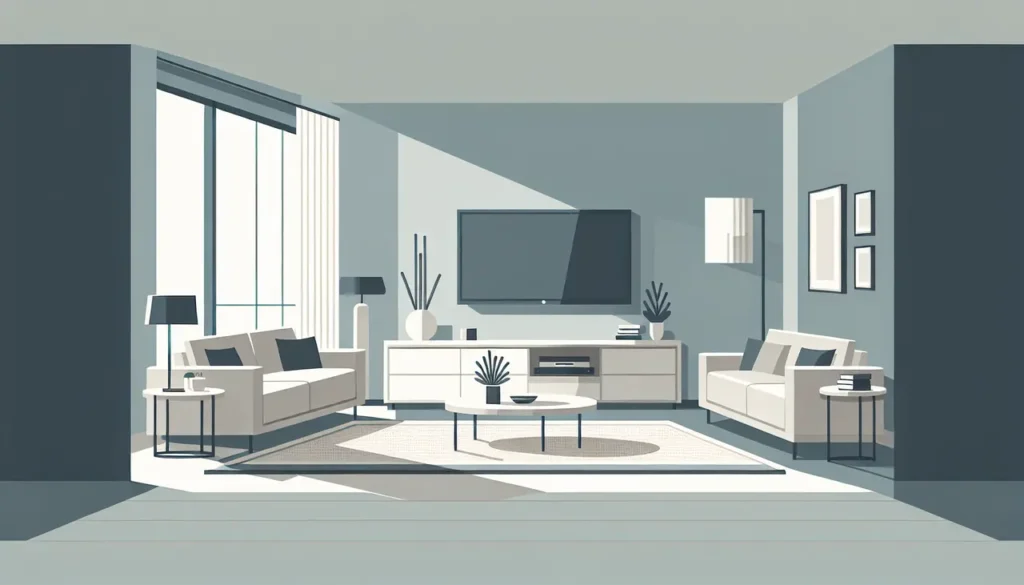
Incorporating the latest design trends into your home not only uplifts its aesthetic but also enhances functionality. Let’s explore the innovative insights shared by remodeling experts for achieving a modern and stylish living space.
1. Open-Plan Living Spaces
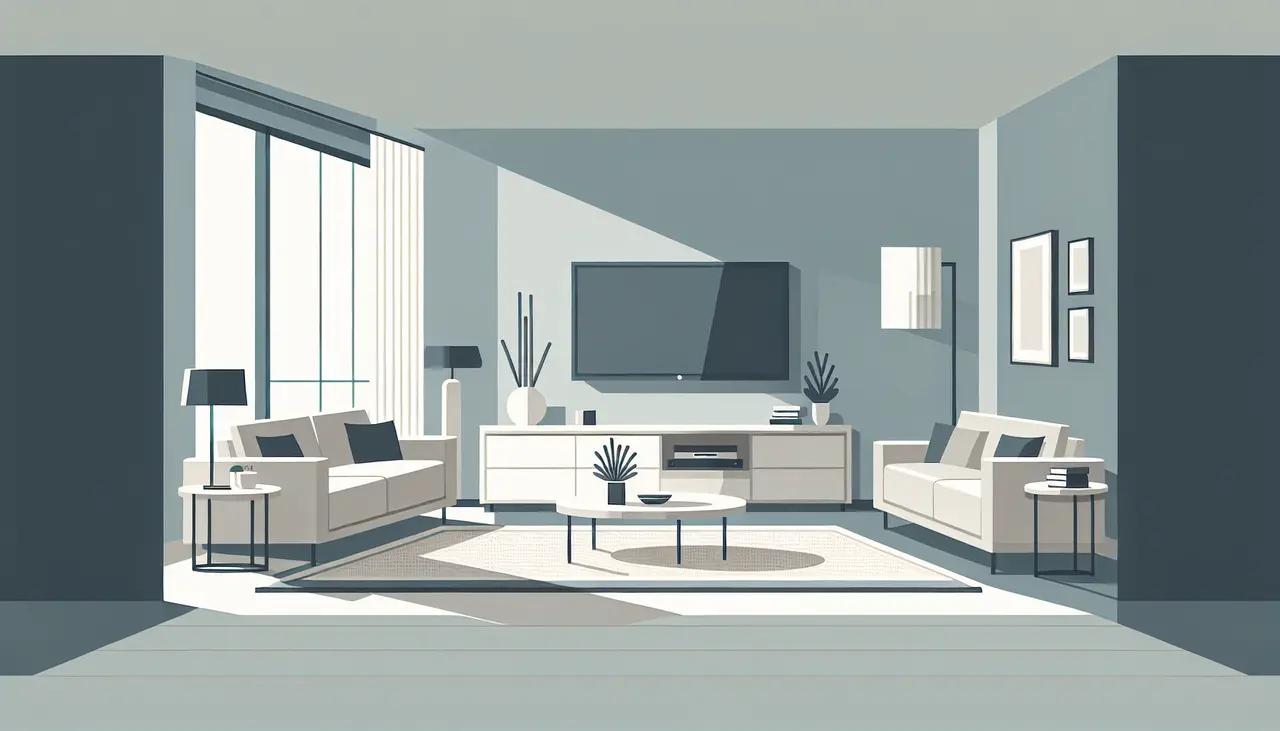
Say goodbye to cramped and closed-off rooms. Experts recommend open-plan layouts to create a seamless flow, enhance social interaction, and maximize natural light in your living areas. It’s fascinating how removing physical barriers like walls can make the space appear larger while fostering a more inviting atmosphere. An open-layout kitchen that converges into the living room, for instance, can turn dinner prep into a social affair.
Incorporating different zones within an open space is key. You might consider a breakfast nook or a cozy reading corner that is subtly defined by furniture placement, rugs, or different lighting styles. This trend encourages adaptability depending on your lifestyle and needs, offering a flexible living space that can evolve with your family.
2. Sustainable and Eco-Friendly Materials
Remodeling professionals are emphasizing the use of sustainable materials that not only benefit the environment but also add unique textures and styles to your home. Think bamboo floors and recycled glass countertops. Bamboo, known for its rapid regeneration, provides a beautiful wood-like finish that aligns with modern eco-friendly living. Meanwhile, recycled glass countertops offer a splash of color and texture, often becoming a conversation piece within the home.
Beyond physical materials, opting for energy-efficient appliances and lighting can also significantly reduce your carbon footprint. Consider integrating solar panels or water-saving fixtures to make your home more sustainable. These elements, alongside sustainable materials, signify a commitment to both style and environmental responsibility.
3. Smart Home Technology Integration
Modern homes are becoming increasingly high-tech. Incorporating smart devices such as thermostats, lighting systems, and security features can greatly enhance your convenience and create an efficient living environment. Imagine controlling your home’s temperature or securing your home through a smartphone app, providing peace of mind no matter where you are.
4. Bold and Vibrant Colors
Don’t shy away from bold color choices. Experts suggest integrating vibrant hues through accent walls, furniture, or accessories to add personality and warmth to your space. Consider a rich emerald green or a deep navy blue to infuse a room with energy and character. Vibrant colors can also be used strategically to highlight certain areas, making them the focal point of a room.
5. Minimalist Aesthetics with a Personal Touch
While minimalist designs remain popular, adding personal touches is key. Incorporate elements like family photos or meaningful art pieces to keep the space uniquely yours. This approach allows for a balance between sleek modernity and personal identity, ensuring that your home feels authentically yours. Minimalism provides a clean slate, while personal items infuse soul into the simplicity.
6. Statement Lighting Fixtures
Lighting can dramatically alter a room’s ambiance. Experts are opting for statement fixtures that act as focal points while providing ample illumination. Whether it’s a chandelier in the dining room or industrial pendant lights in the kitchen, the right lighting fixture can accentuate your home’s design elements. Combining different light sources also allows for versatile lighting that suits every mood and occasion.
7. Outdoor and Indoor Living Fusion
Blurring the lines between indoor and outdoor spaces is gaining traction. Use large windows and outdoor furnishings to extend your living space and enhance your connection with nature. By installing bi-fold doors or large glazed panels, the transition between your indoor haven and outdoor oasis becomes seamless. This trend not only maximizes space but also invites natural light and air into otherwise confined rooms.
8. Multi-Functional Furniture Pieces
Furniture that serves multiple purposes is a hot trend. Look for items like sofa beds or extendable tables to maximize space utilization without compromising style. This is especially beneficial in urban homes where every square foot counts. A coffee table that doubles as a storage unit or a bed with built-in drawers can be both stylish and practical, optimizing your space efficiently.
9. Nature-Inspired Design Elements
Bringing nature indoors is a timeless trend. Incorporate natural elements such as wood, stone, and indoor plants to create a calming and refreshing environment. Living walls, which feature lush greenery, can add a touch of serenity and improve air quality within your home. Natural textures and earth tones evoke a sense of tranquility, making your home a peaceful retreat from the bustling outside world.
10. High-Contrast Spaces
Using contrasting colors and textures can make spaces visually striking. Consider white walls paired with dark furniture or textured fabrics against sleek surfaces for a lively look. High contrast not only catches the eye but also adds depth and dimension to a room, creating a bold statement. This trend encourages playful experimentation with design elements, allowing for personal expression.
11. Integrating Personal Work Spaces
With the rise of remote work, personal workspaces are becoming essential. Designing a functional and comfortable home office can boost productivity and blend seamlessly with home decor. Consider ergonomic furniture and storage solutions to maintain a clutter-free environment. Incorporating your office within a multi-use space can also promote a healthier work-life balance, allowing for creative and relaxed design solutions.
12. Textured Interior Accents
Playing with different textures adds depth to a room. Experts suggest using elements like textured wallpapers, rugs, and cushions to create a dynamic and engaging space. Textured accents can be particularly effective in monochromatic color schemes, adding visual interest without overwhelming the senses. Mixing materials such as metal, wood, and fabric can result in a rich tapestry of design.
